
Experience
The moment a customer, colleague, or partner understands and acts.
Solutions
KO7 solution patterns combine workflows, data, interfaces, and controls around enduring operational needs rather than fixed software categories.
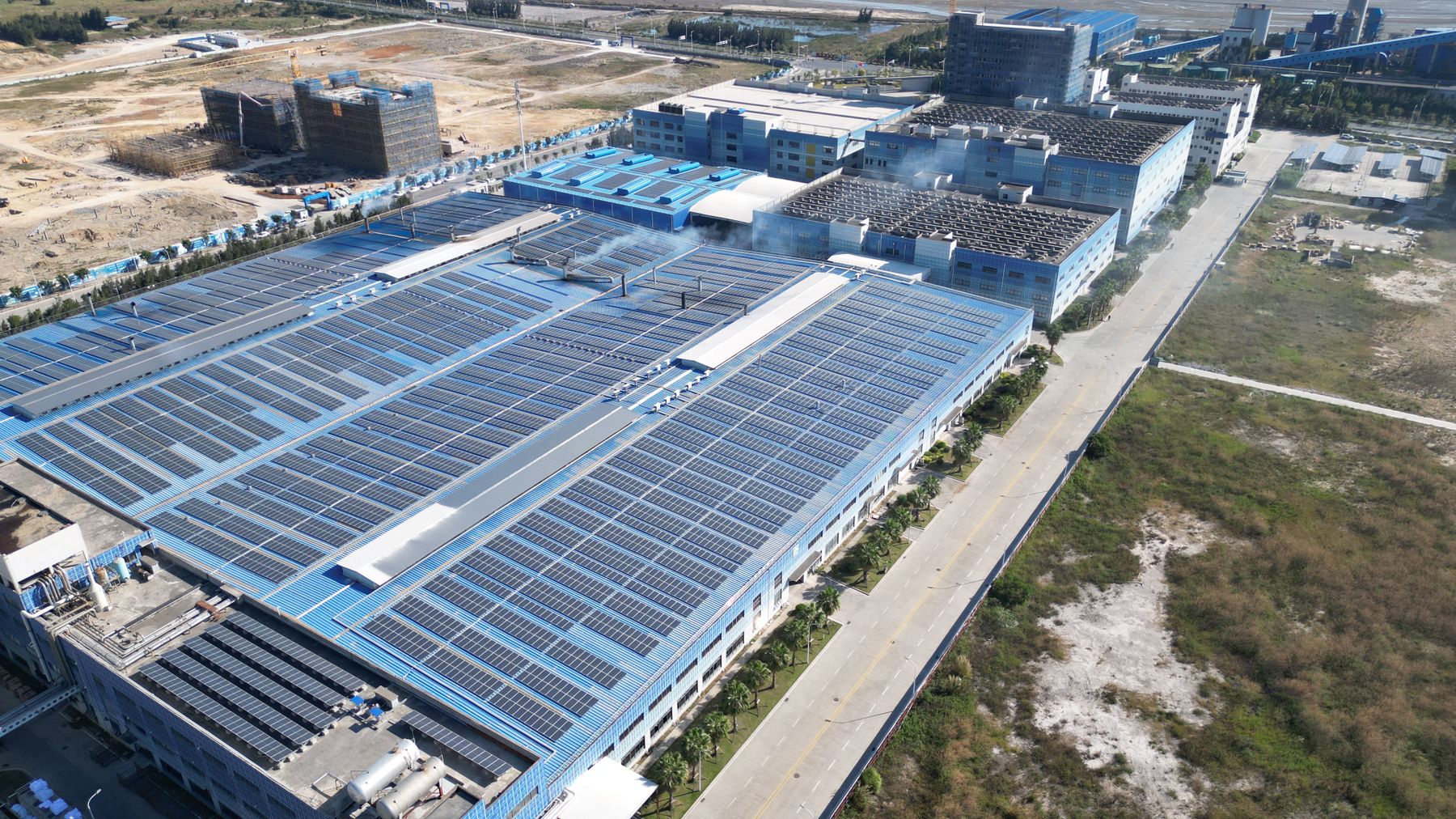
Editorial image; see photography credits in the footer
Sector lenses
The same digital pattern must respond differently to physical work, regulated decisions, service expectations, and product economics.
Connect plans, people, assets, events, and exceptions across physical work.
Solution blueprint
The blueprint is adapted to each environment, but it keeps experience, workflow, intelligence, platform, and governance in one view.
The moment a customer, colleague, or partner understands and acts.
The state, rules, queues, handoffs, and exceptions behind the service.
The governed data, analysis, rules, and bounded models informing action.
The identity, integration, runtime, delivery, and telemetry foundations.
The ownership, access, controls, audit evidence, and improvement loop.
Decision ledger
A live decision ledger keeps rationale and consequences close to the solution instead of burying them in meeting history.
Define the intended user, operational, system, or team outcome.
Target or evidenceTarget: an observable changed condition with an agreed baseline.Record continuity, regulatory, security, timing, and ownership boundaries.
Target or evidenceEvidence: tested behavior at the boundary that cannot be compromised.Compare credible options and document the trade-off being accepted.
Target or evidenceEvidence: consequences observed through the proving slice.Name the signal that supports, challenges, or ends the current direction.
Target or evidenceTarget: an explicit threshold for continuing, adapting, or stopping.
Deployment patterns
Modernization is sequenced according to continuity, reversibility, learning value, and the ownership available to sustain it.
Solution readiness
These questions expose whether the service, system, and organization are ready for the next commitment.
Build from the real pressure
Bring the workflow, constraints, existing systems, and intended outcome. We can identify a responsible proving slice.
Start a solution conversation